Choosing between a chemical peel, microneedling and laser resurfacing can feel confusing, especially when every clinic in Dubai and Abu Dhabi seems to offer all three. By the end of this guide you will know exactly what each treatment does, which skin concern it suits best, how much downtime to plan for in UAE weather, and what a realistic budget and session count looks like. The goal is simple: help you walk into a consultation knowing which option makes sense for your skin, and which questions to ask before you book.
Quick primer
Three treatments, three different depths
All three treatments work by triggering controlled damage so the skin rebuilds itself with fresher cells and more collagen. The difference is how that damage is delivered, and how deep it goes.
A chemical peel uses an acid solution (glycolic, salicylic, TCA) to exfoliate. Microneedling uses fine needles to create tiny channels that spark collagen. Laser resurfacing uses focused light energy to vaporise or heat layers of skin with millimetre precision.
Step by step: how each treatment works
Chemical peels
A liquid solution is brushed onto cleansed skin and left for a few minutes. It dissolves the top layers, which flake off over the next 3 to 7 days, revealing brighter skin underneath. Peels come in light, medium and deep strengths.
Microneedling
Numbing cream is applied, then a pen-style device with sterile micro-needles is passed over the skin. The tiny punctures trigger a wound-healing response and boost collagen for 4 to 6 weeks after. Often paired with PRP or serums.
Laser resurfacing
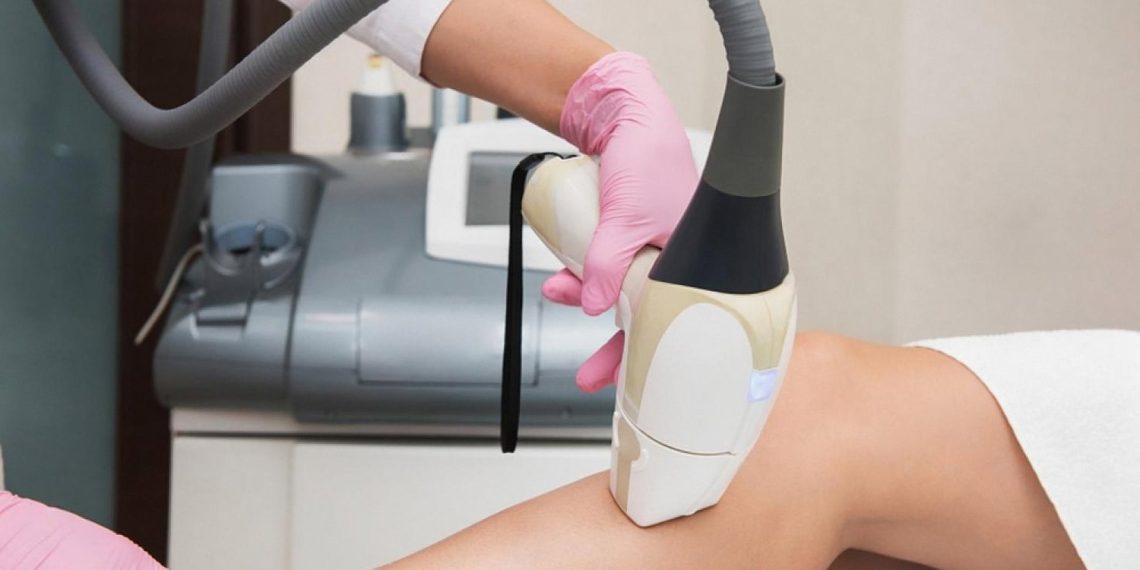
A handheld laser (fractional CO2, Erbium or non-ablative like Fraxel) delivers columns of energy into the skin. Old damaged tissue is replaced as the skin heals over 5 to 14 days. Results build for months.
Side-by-side comparison
This is the chart most people want first. Use it to shortlist, then confirm with a qualified skin specialist doctor who can actually look at your skin type.
| Factor | Chemical peel | Microneedling | Laser resurfacing |
|---|---|---|---|
| Best for | Dullness, mild pigmentation, active acne, oily skin | Acne scars, large pores, early wrinkles, texture | Deep wrinkles, sun damage, stubborn scars, melasma (specific lasers) |
| Pain level | Mild tingling to moderate burn | Mild to moderate (numbing used) | Moderate to high (numbing + cooling) |
| Downtime | 0 to 7 days depending on depth | 1 to 3 days redness | 3 to 14 days peeling and redness |
| Sessions needed | 4 to 6, monthly | 3 to 6, every 4 to 6 weeks | 1 to 3, spaced 4 to 8 weeks |
| Typical UAE cost (per session) | AED 400 to 1,500 | AED 800 to 2,500 | AED 2,500 to 8,000+ |
| Results visible | 1 to 2 weeks | 4 to 6 weeks, cumulative | 2 to 6 months |
| Main risks | Redness, breakout, PIH on darker skin | Bruising, infection if hygiene is poor | Pigment changes, prolonged redness, scarring if misused |
Which one wins for your concern?
- Pigmentation and melasma: Chemical peels (mandelic, azelaic, low-strength TCA) are usually the first choice in the UAE because they are gentle on brown skin. Q-switched or pico lasers help stubborn cases, but aggressive ablative lasers can make melasma worse.
- Acne scars (rolling, boxcar): Microneedling with PRP is the go-to. For deeper icepick scars, fractional CO2 laser gives stronger results in fewer sessions.
- Fine lines and wrinkles: Laser resurfacing wins clearly for moderate to deep lines. Microneedling helps early wrinkles around the eyes and mouth.
- Large pores and oily texture: Microneedling is the most consistent performer. Salicylic acid peels are a good, cheaper starting point.
- Dull, tired-looking skin: A light glycolic or lactic peel every 4 weeks is the easiest, lowest-risk option.
Before you book
Prerequisites and post-treatment checklist
- Stop retinoids and acids at least 5 to 7 days before any treatment
- Avoid direct sun for 2 weeks pre and post, non-negotiable in UAE summer
- Use SPF 50, reapplied every 2 hours outdoors, for at least 4 weeks after
- No waxing, threading or bleaching on the treatment area for 1 week before
- Tell your practitioner about isotretinoin (Roaccutane) use in the last 6 months
- Keep skin hydrated with a bland moisturiser, skip actives until cleared
- Book treatments in the cooler months (October to March) when possible
- Confirm your clinic is DHA or DoH licensed and the device is FDA or CE approved
What works best in UAE weather?
The UAE climate matters more than most people think. High UV year-round, extreme summer heat, indoor air-conditioning that dehydrates the skin, and a population with a wide range of Fitzpatrick skin types (from very fair European to deeper South Asian and Arab tones) all shape which treatment ages well here.
Post-inflammatory hyperpigmentation (PIH) is the single biggest risk for medium to deep skin tones in this region. That risk goes up when heat, sun and aggressive treatment combine. As a rule:
- Residents with darker skin tones tend to do best with superficial peels and microneedlingboth of which have low PIH risk.
- Fair-skinned residents can tolerate fractional lasers more safely, but still need strict sun avoidance.
- Almost everyone benefits from scheduling ablative laser or deep peels between November and Februarywhen sun exposure is easier to manage.
Clinics in Dubai Marina, JLT and Jumeirah lean heavily on microneedling and light peels for exactly this reason, they give a visible glow without high downtime risk. According to the American Academy of Dermatologymicroneedling shows meaningful improvement in acne scars across all skin types, which explains why it has become the most requested treatment in the region.
Common questions people run into
A few points come up in almost every consultation. First, none of these treatments is a one-and-done fix, plan for a series. Second, results depend more on the operator than the device, a mediocre laser in expert hands beats a top-tier machine used carelessly. Third, cost per session is misleading, compare total-package pricing including numbing, aftercare products and any touch-up sessions.
If you are unsure where to start, ask for a light peel or a single microneedling session as a trial. Both are reversible in the sense that you will not be committed to a 6-month protocol, and they give your practitioner information about how your skin actually responds.
Frequently asked questions
Which treatment is safest for darker skin tones common in the UAE?
Superficial chemical peels (mandelic, lactic, salicylic) and microneedling are the safest starting points for medium to dark skin. They carry the lowest risk of post-inflammatory hyperpigmentation, which is the main concern for South Asian, Arab and African skin tones.
Ablative lasers can be used, but only by an experienced dermatologist who selects the right wavelength and settings for your Fitzpatrick type.
How much do these treatments cost in Dubai and Abu Dhabi?
Prices vary by clinic and area, but typical ranges are: chemical peels AED 400 to 1,500 per session, microneedling AED 800 to 2,500, and laser resurfacing AED 2,500 to 8,000+ depending on the laser type and area treated.
Most clinics offer package pricing for a series, which usually works out 15 to 25 percent cheaper than single sessions.
Can I combine these treatments?
Yes, and many dermatologists do. A common protocol is a light peel every 4 to 6 weeks between microneedling sessions, or a fractional laser followed by microneedling months later for maintenance. Combining requires proper spacing, usually at least 4 weeks between different treatments, to let skin fully recover.
What is the best time of year for laser resurfacing in the UAE?
October through February. Cooler temperatures, lower UV index and easier sun avoidance all reduce the risk of pigmentation problems during healing.
If you must have a laser treatment in summer, plan indoor recovery for at least two weeks and use SPF 50 religiously, even indoors near windows.
Is microneedling better than a chemical peel for acne scars?
For rolling and shallow boxcar acne scars, yes. Microneedling with or without PRP consistently produces better texture improvement than peels alone. Deep icepick scars respond best to fractional CO2 laser or TCA CROSS, a specialised peel technique applied only to individual scars.
How many sessions will I actually need?
For visible, lasting results plan on: 4 to 6 chemical peels (monthly), 3 to 6 microneedling sessions (every 4 to 6 weeks), or 1 to 3 laser resurfacing sessions (spaced 4 to 8 weeks). After the initial series, most people maintain results with 2 to 3 top-up sessions per year.
What are the warning signs of a bad reaction?
Watch for redness that worsens after day 3, dark patches that appear a few weeks post-treatment, pus or spreading warmth (possible infection), and blistering beyond what your practitioner warned about. Contact the clinic immediately if any of these appear, early intervention prevents lasting damage.

Skydiver, audiophil. Working at the junction of aesthetics and purpose to create strong, lasting and remarkable design. I’m fueled by craft beer, hip-hop and tortilla chips.