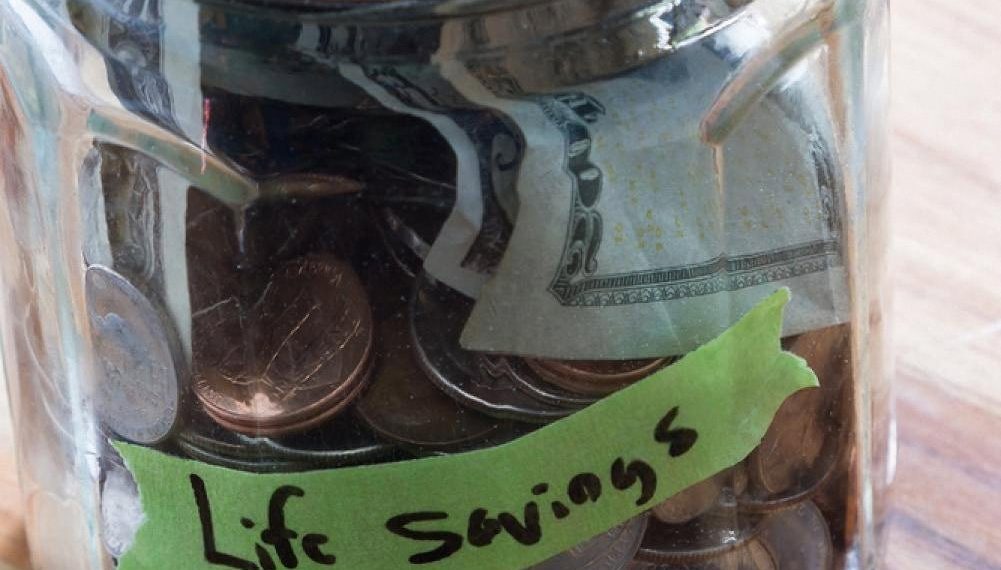
“I got a 30% raise last year and somehow I’m saving less than before. Where did the money go?”
The setup
Why the UAE is ground zero for lifestyle inflation
The UAE hosts residents from more than 200 nationalities, according to the official demographic data and roughly 88% of the population is made up of expats. That mix creates constant social comparison: your Filipino colleague drives a new SUV, your British neighbour just moved to a villa in Arabian Ranches, your Indian friend is flying business class to Kerala for Eid. Every promotion feels like a cue to upgrade.
Lifestyle inflation, sometimes called lifestyle creep, is the quiet habit of raising your spending to match every raise. It doesn’t feel reckless. A slightly nicer apartment in Dubai Marina. A weekend at Atlantis instead of a staycation in Ajman. School fees moved from a mid-tier British curriculum school to a top-tier one. None of it looks dangerous on its own. Together, it is the single biggest reason high earners in the Emirates retire with less than teachers in Portugal.

Myth 1: “A bigger salary automatically means bigger savings”
This is the founding lie of expat finance. HSBC’s Expat Explorer surveys have repeatedly shown UAE expats earn well above global averages, yet the National Bonds Savings Index has found that around six in ten UAE residents save less than 25% of their monthly income, and a large share save nothing at all. Income and savings are not the same variable. They almost never move together.
The reality is that spending expands to fill available income. Behavioural economists call it the hedonic treadmill: the new car feels amazing for six weeks, then it just feels like your car, and you start eyeing the next upgrade. Without a rule that forces savings to rise with income, they simply don’t.
Myth 2
“I earn AED 40,000 a month, I can’t possibly be broke”
A senior professional pulling AED 40,000 in Dubai looks wealthy on paper. Reality, once the standard high-earner package is unpacked: AED 12,000 rent for a 2-bed in Downtown, AED 6,500 for two kids at a mid-tier school, AED 3,500 car loan on the Range Rover, AED 2,500 on DEWA and utilities, AED 4,000 on groceries and dining out, AED 1,500 on the domestic helper’s salary and visa amortisation, plus AED 2,000 in credit-card minimum payments from last summer’s Europe trip.
That’s roughly AED 32,000 gone before anything is invested. One bad month, a car repair, a flight home for a family emergency, and the “saver” is now borrowing. High income without a plan is just fast-moving cash.
Myth 3: “I’ll start saving properly after the next raise”
This is the myth that costs the most, because it is the most reasonable-sounding. It is also almost always wrong. Every raise arrives already committed: a bigger apartment because the family grew, a nicer school because the older one “wasn’t rigorous enough”, a newer car because the lease was up anyway. The raise disappears into fixed monthly commitments before you decide what to do with it.
- Automate first, decide later. The day the raise hits, increase your standing order to your investment account by at least 50% of the raise. Move it before it touches your current account.
- Delay lifestyle upgrades by 90 days. If you still want the bigger apartment in three months, fine. Most upgrades quietly die in the waiting period.
- Cap fixed costs at 50% of net. Rent, school, car, insurance, and helper combined. Once fixed costs cross that line, saving becomes a fight.
- Buy assets before experiences. A weekend in the Maldives is wonderful. It is also gone by Tuesday. One month of maxed contributions to a global index fund is still there in 2045.
- Protect the downside. The UAE has no state pension for expats, so consider a proper life insurance policy in the UAE alongside your savings, especially if you have children or a non-working spouse on your visa.
Myth 4
Reality: The end-of-service gratuity is not a retirement plan
A significant share of expats treat their gratuity as their pension. Under UAE labour law, the payout is roughly 21 days of basic salary per year for the first five years, and 30 days a year after that. A professional on a AED 25,000 total package usually has a basic salary of around AED 12,000, which means a decade of loyal service can produce a gratuity of AED 100,000 to 130,000. That is a nice bonus. It is not 25 years of retirement in London or Bangalore.
The recent DEWS scheme in the DIFC and the voluntary savings schemes rolling out federally are steps forward, but the responsibility still sits with you.
Myth 5: “I have to give up everything I enjoy to build wealth”
You don’t. This is the myth that keeps people from starting at all, because the alternative sounds joyless. The truth is far kinder. A workable rule for most UAE residents is the 50/30/20 split, adjusted for local reality:
50% Needs
Rent, school fees, groceries, utilities, insurance, minimum debt payments. If this is over 60%, your fixed costs are the problem, not your discipline.
30% Wants
Brunches at Bab Al Shams, weekends in RAK, the occasional splurge at Dubai Mall. This budget exists on purpose. Guilt-free spending is what makes the plan survive.
20% Future
Emergency fund first (six months of expenses in a liquid account), then index funds, then property or a pension product. Automate all of it.
High earners on AED 30,000 and above should push the “Future” slice to 25 or 30%. The difference between saving 10% and saving 25% of a UAE salary for 15 years, invested at a reasonable global equity return, is roughly the difference between renting a room back home and owning the flat outright.
Consider two colleagues at the same Abu Dhabi firm. Both earn AED 28,000 net. Rahul, an Indian engineer, keeps his rent at AED 75,000 a year in Al Reem, drives a five-year-old Toyota, and moves AED 6,000 into a global index fund on payday. Sara, a British project manager on the same salary, lives on Yas Island for AED 130,000 a year, leases a new BMW, and saves “whatever’s left” which usually turns out to be AED 1,500.
Same job. Same passport privileges. Same country. The gap is entirely lifestyle inflation, and it was invisible month to month.
Small changes that quietly do the heavy lifting
- Move savings to the first of the month, not the last. Pay yourself before rent, not after brunch.
- Cancel one subscription you forgot you had. The average UAE resident carries three or four. Redirect the AED 100 to an index fund.
- Downsize the car, not the holiday. A used Nissan instead of a leased Mercedes frees up AED 3,000 a month. That is a family trip every year, funded by not driving a nicer car.
- Renew your rent, don’t move. Moving costs in Dubai (agent fee, DEWA deposit, Ejari, movers, chiller registration) usually add up to a full month’s rent. Staying put is often the cheapest “upgrade” available.
- Review your fixed costs every January. Insurance, mobile, internet, gym. Fifteen minutes of phone calls saves most families thousands per year.
The bottom line
Wealth in the UAE is built in the gap between raise and reaction
The Emirates rewards earners generously. It also tempts them relentlessly. The people who leave with real wealth aren’t the ones who earned the most. They are the ones who noticed the gap between the salary bump and the lifestyle bump, and quietly kept the gap open for a decade.
Frequently asked questions
How much of my UAE salary should I actually be saving?
A workable starting point is 20% of net income into savings and investments, rising to 25 to 30% once you earn above AED 25,000 a month. If you plan to eventually retire outside the UAE, aim higher than someone staying in the country long term, since you will not have local property equity or family support to fall back on.
Is the end-of-service gratuity enough to retire on?
For almost everyone, no. A typical 10-year gratuity for a mid-career professional works out to around AED 100,000 to 150,000, which might cover a year or two of expenses. Treat it as a bonus that helps you relocate or clear debts, not as a pension. Build your own investment portfolio in parallel.
I keep getting raises but never seem to save more. What’s going wrong?
You are experiencing textbook lifestyle inflation. The fix is mechanical, not motivational: on the day any raise or bonus lands, increase your automatic transfer to savings by at least half the raise amount, before it hits your current account. What you never see, you don’t miss.
Do I need life insurance if my employer already provides medical cover?
Medical insurance covers treatment. Life insurance covers your family’s income if something happens to you. They are entirely different products. If you have dependants, a non-working spouse, children in school, or debts in the UAE, life cover is a serious consideration, especially since expats have limited social safety nets locally.
What’s the single biggest lifestyle inflation trap for UAE expats?
Housing, by a wide margin. Moving from a AED 80,000 apartment to a AED 140,000 one for the “better neighbourhood” adds AED 60,000 in rent, plus higher DEWA, longer commute, and social pressure to match the new area’s lifestyle. School fees are a close second, especially the jump from mid-tier to top-tier schools.
Where should a beginner in the UAE start investing?
Build a six-month emergency fund in a UAE-based savings account first. After that, most beginners do well with a low-cost global index fund through a regulated brokerage. Avoid long-lock-in savings plans sold by commission agents, and read every fee schedule twice before signing anything.
How do I resist social pressure to upgrade my lifestyle in Dubai?
Two habits help. First, unfollow accounts that make you feel behind, whether they are colleagues, influencers, or old school friends. Second, keep a written goal you can look at when temptation hits: “I want to own a home in Chennai by 2032” is a much stronger argument than “I probably shouldn’t buy this handbag.”

Skydiver, audiophil. Working at the junction of aesthetics and purpose to create strong, lasting and remarkable design. I’m fueled by craft beer, hip-hop and tortilla chips.