Print-on-demand has long ceased to be an experiment for enthusiasts. This is an established business model in e-commerce, which relies not on a warehouse, but on demand. The product does not lie dead, does not require pre-purchase, and does not freeze working capital. It is created exactly at the moment when the customer makes a purchase decision.
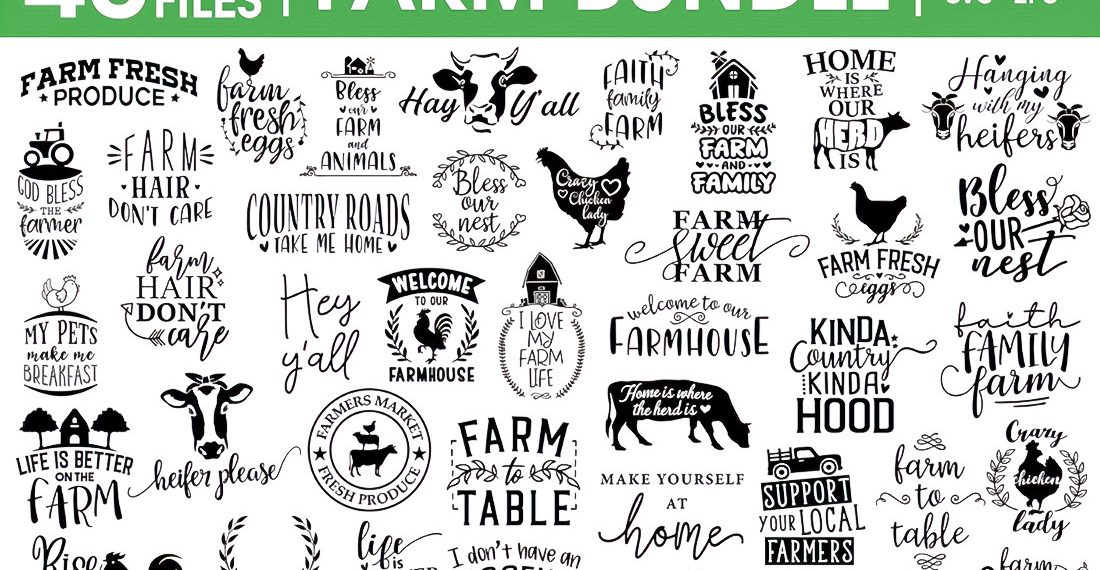
It is this logic that makes print-on-demand attractive to entrepreneurs, designers, and niche brands. A business is built around an idea, design, and marketing, not around boxes and logistical headaches, often supported by scalable graphic design assets that allow rapid product iteration. However, the ease of entry does not mean the ease of earning. A strict decision system is hidden behind the external lightness.
How The On-Demand Production Model Works
Print-on-demand is based on on-demand production. This means that the product does not physically exist until the moment the order is placed. The customer selects the product, pays for it, and only after that the printing, packaging, and shipping process starts.
The absence of a warehouse reduces risks, but increases the requirements for process management. The cost of each unit is higher than in wholesale production, so the price cannot be formed by chance. The accuracy of calculations, understanding of marginality and cost control are important here.
The average margin in this model is usually in the range of 20-50 percent, and it directly depends on the niche, design value, and marketing effectiveness. A mistake at the pricing stage quickly turns a project into an unprofitable one, even with good traffic.
At the same time, the model itself remains scalable. Adding new products does not require investments in production, and expanding the product range takes hours, not months.
Niche, Design And The Real Value Of The Product
In print-on-demand, they don’t buy a thing, but a meaning. A basic product is rarely a reason to buy. The client is attracted by the idea, visual style, and sense of belonging to a particular group.
That is why the choice of a niche becomes a key factor. A narrow, well-defined audience reacts faster and buys more readily. Working with a niche simplifies marketing, reduces the cost of customer acquisition, and increases conversion.
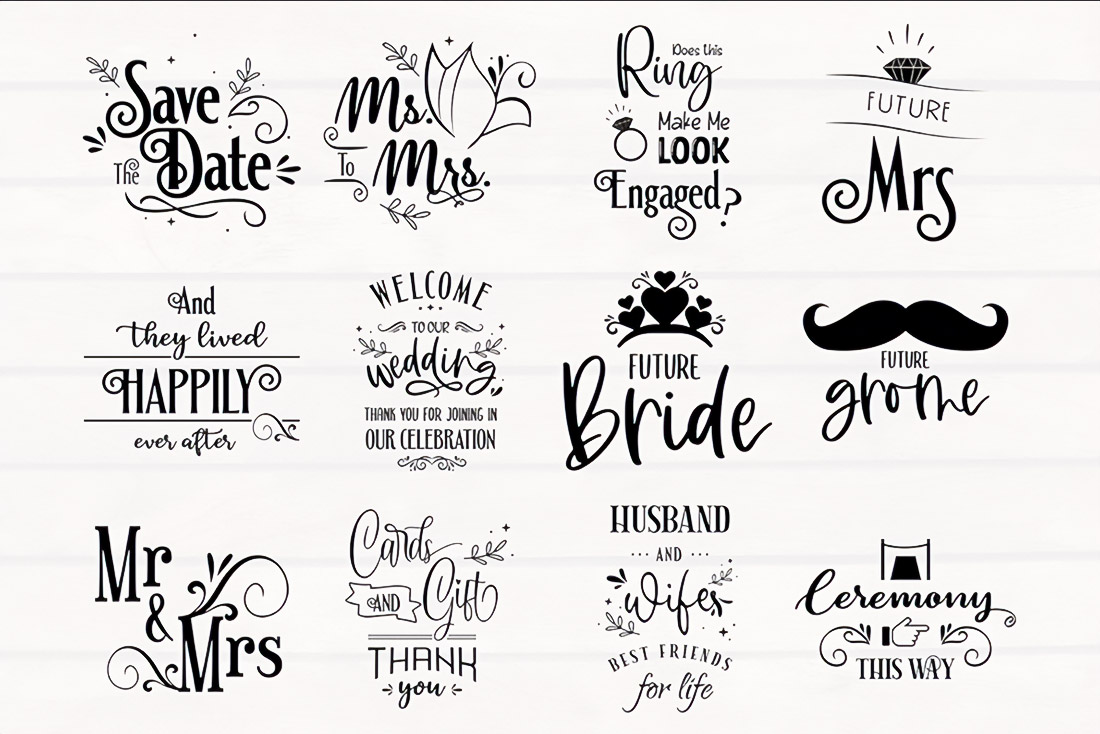
The design in this model is not an ornament, but the main asset. It should be adapted to a specific product, taking into account the print format and the features of the material. The quality of design files directly affects brand perception and the likelihood of repeat purchases.
It is also important that the creative control remains with the business owner. You can test different visual solutions, quickly remove ineffective options, and enhance those that work. This flexibility is almost beyond the reach of classical retail.
Marketing, Business Growth And Sustainability
Without marketing, print-on-demand does not exist. Even the most successful product will go unnoticed without traffic. SEO, content, and social channels form the basis of customer engagement. Optimization of listings, working with keywords, competent descriptions and visual materials form an organic flow of buyers. This allows you to receive orders without constantly increasing advertising costs.
Growth in this model is built gradually. First, ideas are tested, then work bundles are scaled, after which paid channels are connected. Analytics plays a crucial role because it allows you to see not only sales, but also customer behavior.
The customer experience remains the responsibility of the store owner. Print quality, delivery time, and transparent return policies directly affect trust. It is trust that turns a one-time purchase into a repeat purchase. Print-on-demand is not a quick way to make money. This is a systemic business that requires discipline, understanding the audience, and working with numbers. With the right approach, it provides flexibility, scalability, and the ability to build a brand without a warehouse and unnecessary risks.

Skydiver, audiophil. Working at the junction of aesthetics and purpose to create strong, lasting and remarkable design. I’m fueled by craft beer, hip-hop and tortilla chips.